Embroidery
Stumpwork: Embroidery That Stands Off the Cloth
What is stumpwork embroidery and how is it done? A guide to the padded, wired and applied raised work English girls stitched in the 1600s, the later name, who made it, and how to begin.
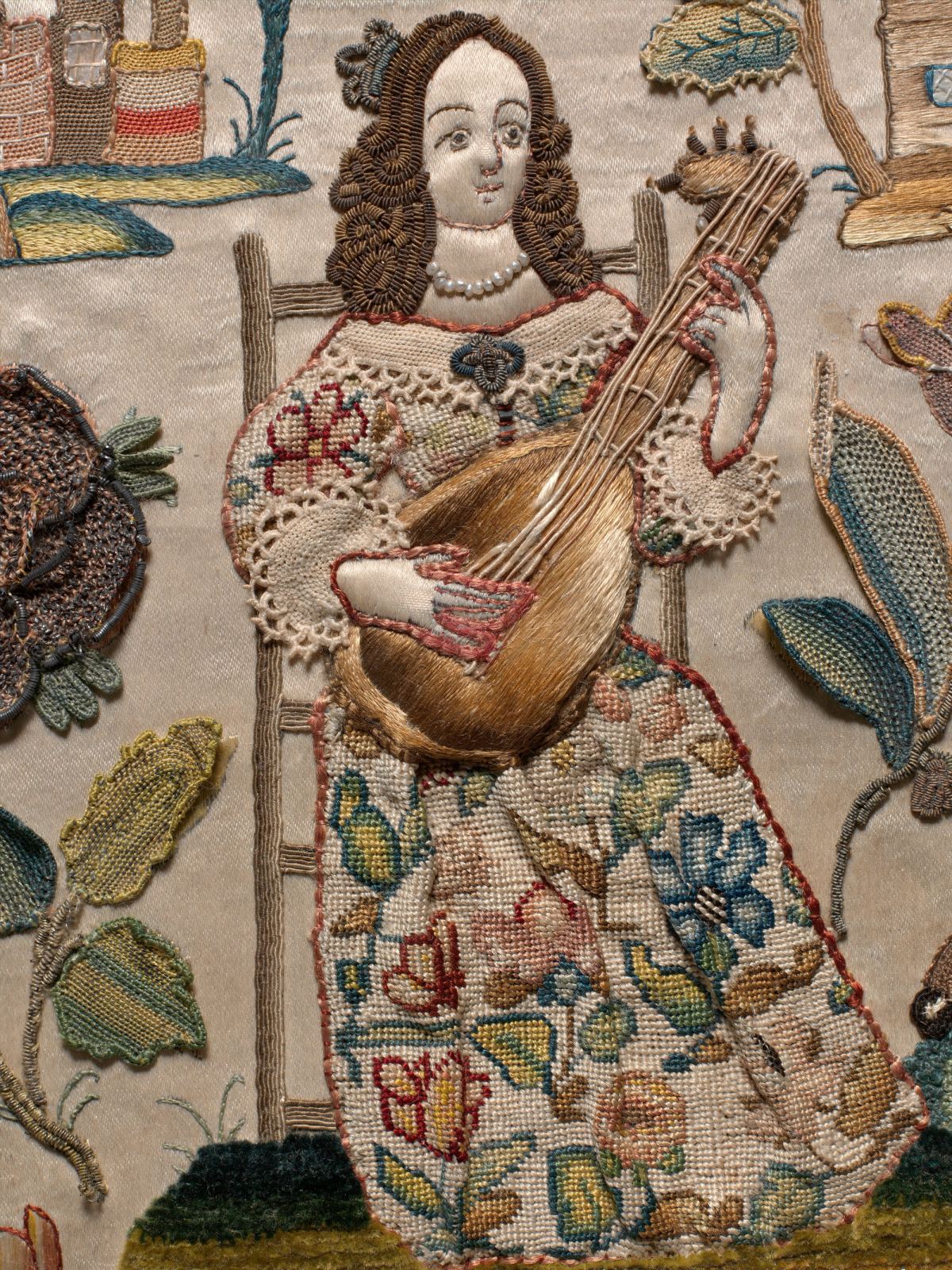
Stumpwork is raised embroidery: figures, flowers and animals worked in silk, metal thread and beads, then padded or built up so they stand out from the fabric. It was popular in England in the mid-1600s, when girls stitched it into caskets, mirror frames and pictures. The name "stumpwork" is a later one; the makers' own words were raised work and embossed work.
What is stumpwork?
Stumpwork is a style of embroidery in which parts of the design are lifted off the ground cloth, so that a face, a petal or a castle gate has real depth. The effect comes from padding beneath the stitches, from small pieces worked separately and attached, and from wire and other supports. It is usually dated to England between about 1650 and 1700.
The edges of that range are soft. Wikipedia says raised techniques before about 1650 were mostly confined to church vestments, yet Museum Wales dates a raised-work picture of a lute player to 1620 to 1640, and the Cleveland Museum of Art dates a panel to 1658. The Metropolitan Museum's Cabinet with personifications of the Five Senses belongs to the third quarter of the century. It is a small box, about 9 inches long, covered in satin and worked with silk and metal thread, purl, chenille, seed pearls, coral beads and mica, in tent, knot, rococo, satin, couching and detached buttonhole stitches.
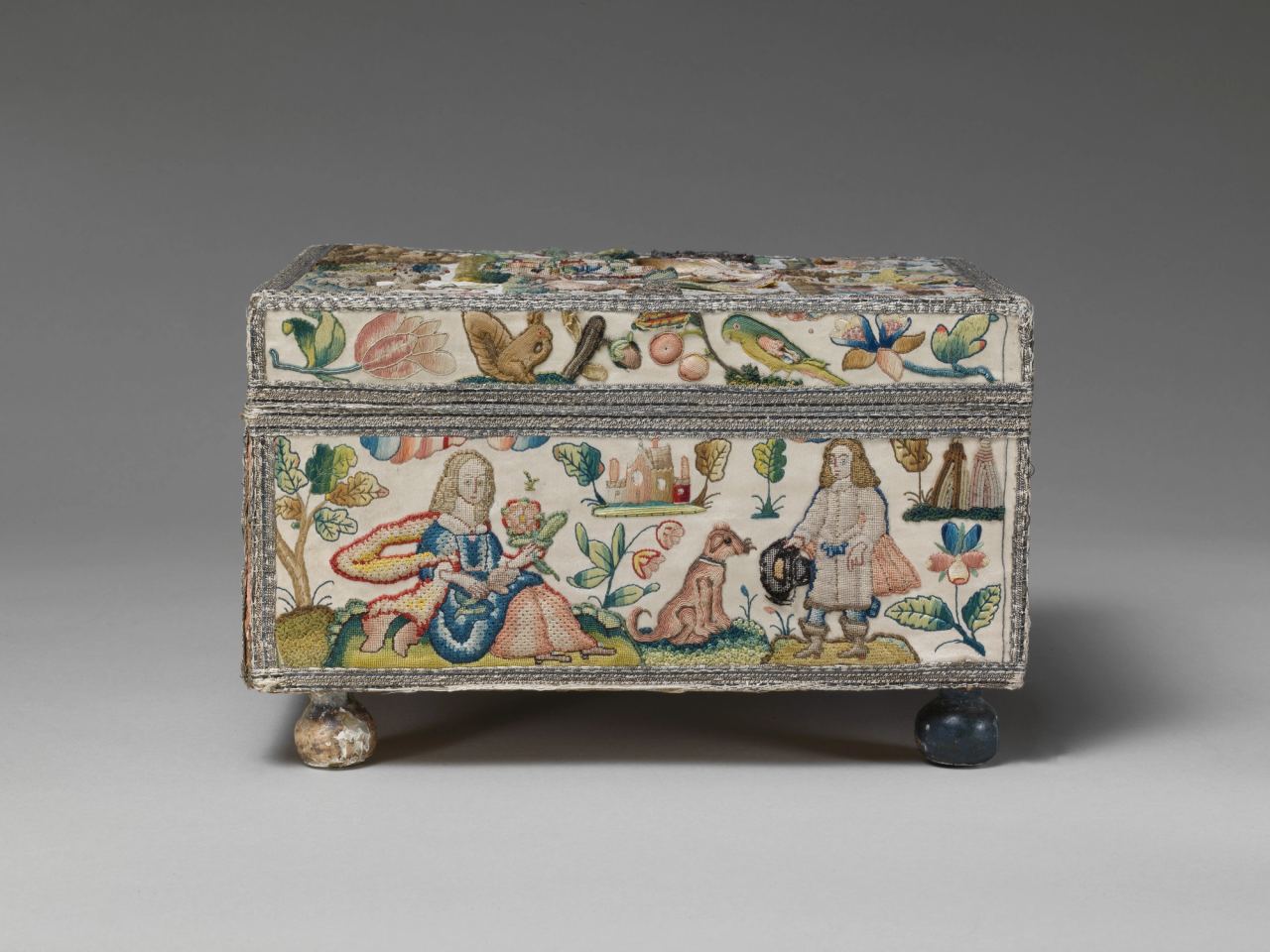
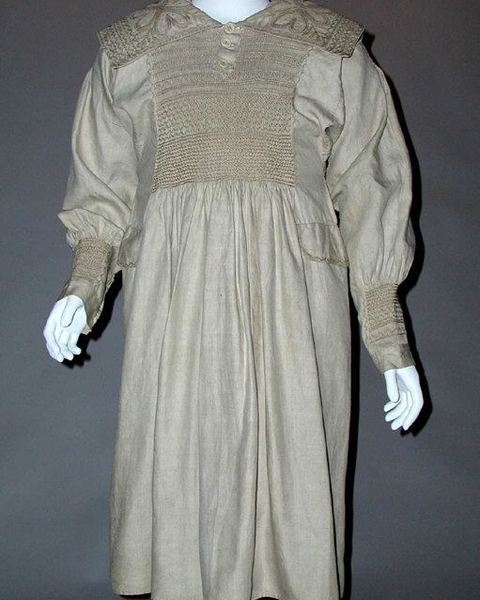
Stumpwork shares an idea with trapunto, which pads parts of a design from the back so they stand in relief. Stumpwork goes further: it adds layers, separate shapes and mixed materials until the picture becomes a small relief in thread. Smocking, another way of making cloth hold a shape, is covered in Smocking: Gathering Cloth into Structure.
Why is it called stumpwork?
The word is much younger than the craft. In the seventeenth century the technique was known as raised work or embossed work, and the Victoria and Albert Museum's record for one casket reads "raised work, also known as stumpwork". "Stumpwork" is recorded only from about 1900. Nobody has settled why it was chosen.
Merriam-Webster gives 1904 as the first known use of "stump work", Dictionary.com (citing Random House and Collins dictionaries) says first recorded in 1900 to 1905, and Wikipedia says the label has been used only since around the end of the nineteenth century. Homes & Antiques calls the origin "slightly obscure" and suggests it probably refers to small pieces of wood, "stumps", that were sometimes worked into the embroidery for three-dimensional effects, while noting that there are not really any tree stumps in it. Pintangle calls the name a Victorian misnomer. Treat the wood explanation as a guess.
The word has also drifted. Pintangle observes that "stumpwork" is now applied to any raised embroidery, though strictly it means work in which small motifs called slips are embroidered separately and then attached to a foundation fabric. Many collectors now prefer "raised embroidery". Most modern kits and classes use the broad sense, and so does this article when it turns to making.
How is raised embroidery made?
Raised work combines a few methods: padding under stitches, shapes worked separately and then attached, and wire that lets parts hold a pose. Surviving pieces mix several of them in a single scene. The Holburne Museum's description of one panel, worked about 1665, shows how many a single scene could contain.
| Method | What happens | Where it shows up |
|---|---|---|
| Padding | Felt, wool or horsehair is sewn down first and stitches are worked over it; Bowes Museum describes a panel padded with wood or parchment over wool. | Figures, animal bodies, faces |
| Detached stitches | Stitches such as detached buttonhole are worked in the air above the cloth, anchored only at the edges, like a net. The Met cabinet lists detached buttonhole stitches. | Wings, tents, collars, hands |
| Slips | A shape is embroidered separately and then applied to the picture. The V&A calls it probable that each figure or element of its casket was sewn independently and applied to the satin. | Figures, petals, leaves |
| Wire | Wire, often covered in silk or silver thread, forms a stiff frame or edge. Wikipedia describes wired shapes applied by piercing the ground with the wire ends and securing them. | Branches, leaves, hair |
The Holburne panel is specific. Its oak leaves are silk split stitch, but its trunk and branches are laid and couched silk-covered wire, the raised leaves are detached work on wire frames, and the four main foreground figures are raised and padded about the face, with hair made from coils of silver-covered wire. Their hands are detached work, applied separately. Bowes Museum describes purl, coiled metal wire, used to imitate hair and leaves on one of its panels. Homes & Antiques adds that makers sometimes covered tiny wooden hands and faces in silk, and the Cleveland Museum of Art lists "wooden appendages" among the materials of its panel.
The Cooper Hewitt's docent essay says that padding was often horsehair or wool felt, and Wikipedia describes felt sewn in layers of increasingly smaller sizes, then covered in stitches.
What was it made of?
Stumpwork is mostly silk and metal on a silk or satin ground, with extras for texture and shine. Silk thread does the stitching, metal thread and purl supply the glitter, and pearls, beads and mica add small points of color. The Met cabinet and the Cleveland panel are on satin or silk. The Holburne panel uses a white satin ground.
The Met cabinet's own material list is the best reference: silk and metal thread, purl, chenille, seed pearls, coral beads and mica, over a wooden frame lined with silk and paper. Mica is a thin, glittering mineral. Museum Wales lists, for its lute-player picture, wood covered with laid silks for the head and hands, metallic thread and purl, wool padding, colored glass beads, seed pearls, sequins and barbs of peacock feathers. Wikipedia's longer list adds chenille, gimp cord, ribbon, semi-precious stones, coral, shells, mother-of-pearl, leather, feathers, vellum, boxwood, ivory and wax. Homes & Antiques mentions human hair and Tennants, an auction house, says elements were sometimes stuffed with hair.
Metal thread and spangles tie stumpwork to other glitter on cloth, from goldwork to the story of the sequin and its metal-disc ancestors. Couching, laying thread on the surface and tacking it down with small stitches, is among the stitches the Met lists for its cabinet. Beads and pearls link it to beadwork.
Who made it, and what for?
Most surviving stumpwork was made by young amateurs from well-off families. The Royal Collection says embroidered caskets with raised work were produced in England in considerable numbers in 1660 to 1690 by young girls, almost invariably amateurs. The Holburne Museum agrees that most pieces were made by highly skilled amateurs in wealthy households, though a few may be the work of professional embroiderers, who were usually men.
The best-documented maker is Martha Edlin. The V&A records that she embroidered a sampler in colored silks at the age of eight, a piece of whitework and cutwork at nine, and by 1671, her eleventh year, the panels of an elaborate casket, with a beadwork jewelry case two years later. The initials ME are applied in pearls at the center of the casket. The museum's article calls the casket likely one of the final challenges in her needlework education. A second V&A casket, dated 1660 to 1685, says in its record that the final challenge in many cases was a casket like it.
A student-written blog from the Ashmolean Museum says the makers were predominantly young, wealthy women, and that one box in its collection was made by a girl named Miss Bluitt while she was at school in Hackney, in the years before the Plague.
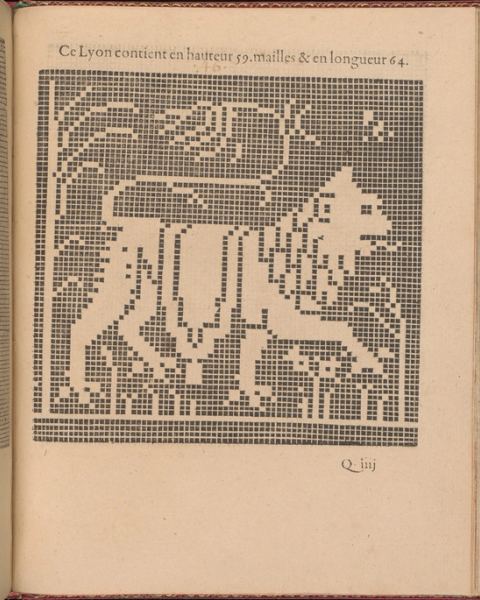
Stitching was not the whole job. The V&A says Edlin's panels would have been embroidered by her and then sent to a professional workshop to be mounted into a casket; a V&A gallery label says the panels were probably sent to a cabinet-maker. The designs came from somewhere too. The V&A label suggests she may have adapted motifs from prints or pattern books, or bought pre-drawn silk panels, and its mirror-frame record says satin panels could be bought already drawn out as "kits". The V&A's article notes that the first English pattern book appeared in the 1590s; a lace pattern book printed in Paris in 1588 is the subject of This Lion Is 59 Meshes Tall. The Bowes Museum notes a pencil outline of a building on an unfinished panel, which shows how designs were built up from line drawings.
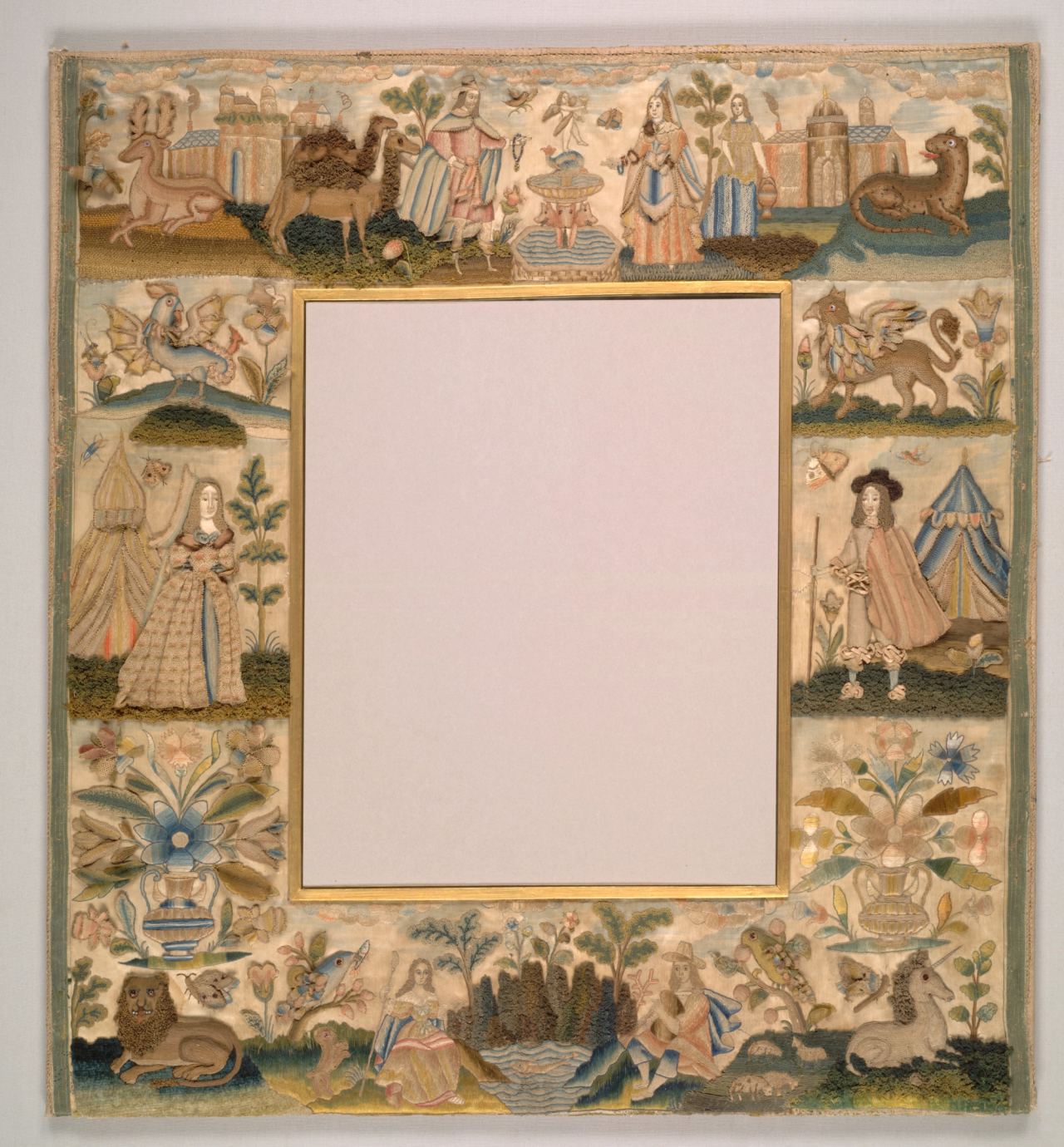
The objects were small and domestic: caskets, mirror frames and pictures. The V&A says embroidering mirror frames was a popular activity for amateur needlewomen between about 1660 and 1680, and notes that mirror glass was valuable enough that a small piece could be set off by a broad decorated frame.
What did stumpwork picture?
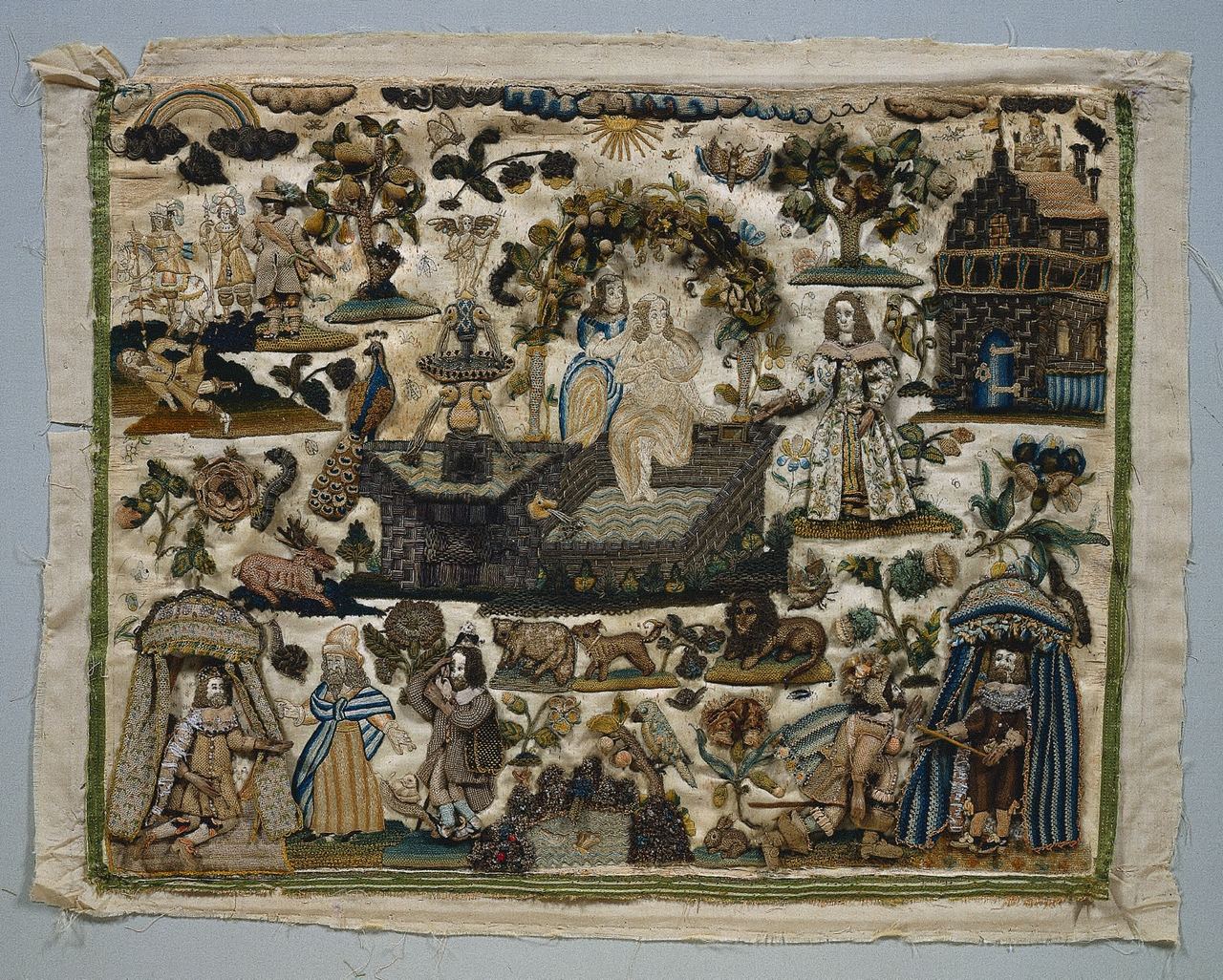
The subjects are a mix of the royal, the biblical and the ornamental. The Cooper Hewitt describes royalty, nature and biblical scenes as common. Castles, stags, lions, birds, fruit, flowers and insects fill the margins, and every empty patch was an invitation for a bug, a bird or a bloom. The Cleveland panel, dated 1658, is titled Story of David and Bathsheba: two women sit by a pool and a stone terrace at the center, with a deer, a peacock, a lion and padded figures in the dress of the day around them.
Royal subjects have an obvious context. The Bowes Museum says it was fashionable, and patriotic, to depict the recently restored King Charles II and Queen Catherine of Braganza, and that the central oak tree on one of its panels refers to the king's escape after the Battle of Worcester in 1651. The V&A notes that the lion was one of the royal beasts, along with the leopard, stag and unicorn. Tennants says lions and leopards stood for England, and that caterpillars and butterflies were associated with Charles I, oaks and acorns with Charles II. Those readings are interpretations, offered by auctioneers and curators, rather than documented intentions.
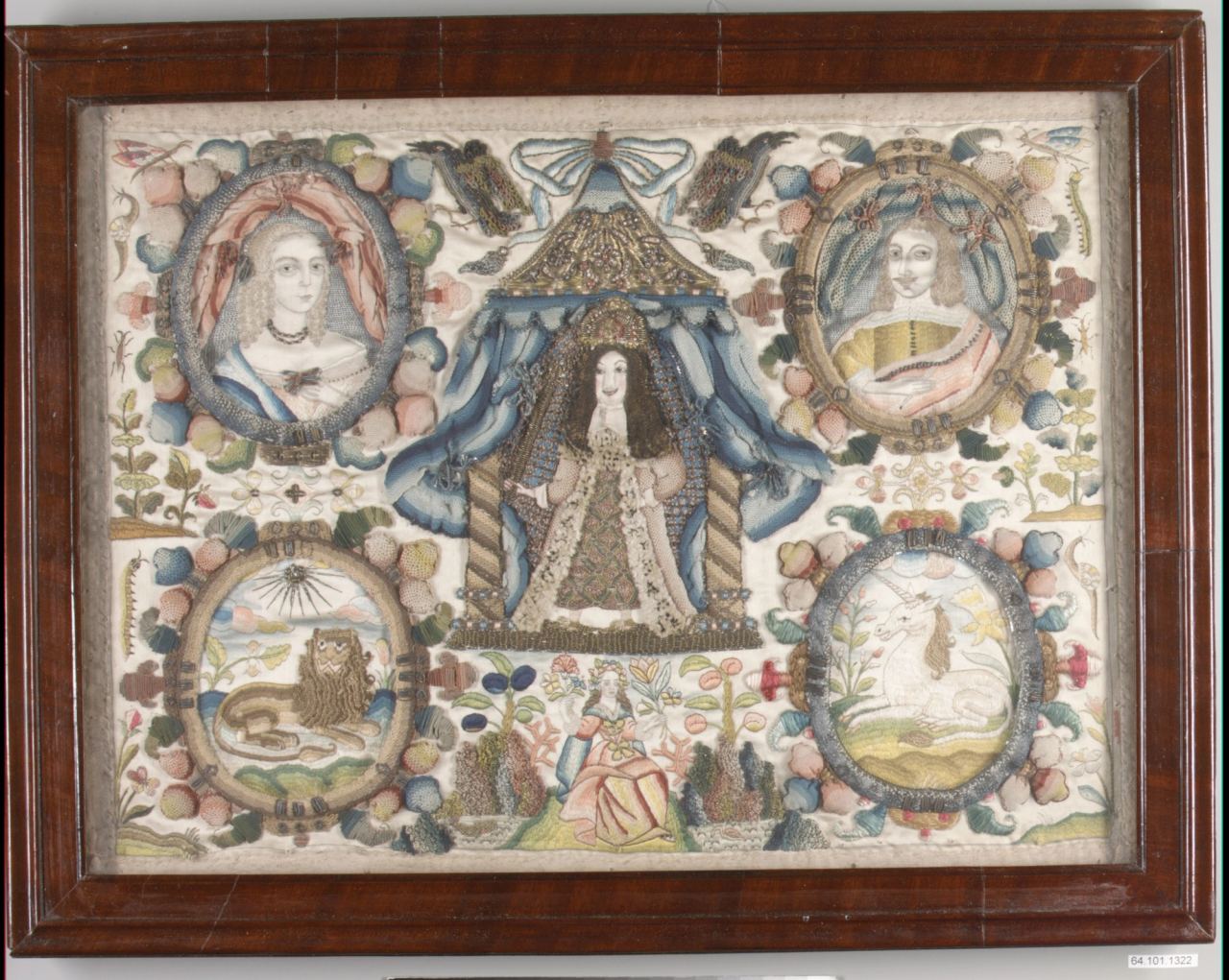
The Met owns a picture titled simply Charles II and dated to the third quarter of the seventeenth century. Its centerpiece is a crowned figure under a draped blue canopy, with a lion and a unicorn in oval medallions below. The Holburne Museum owns a panel from about 1665 that shows the young Charles II hiding in the Boscobel Oak after Worcester, and the mature king wearing his crown after the restoration of 1660, flanked by Queen Catherine.
What happened to stumpwork, and where is it now?
Stumpwork's decline is poorly documented, and sources differ on when it peaked. Homes & Antiques says 1650 to 1690, Wikipedia says 1650 to 1700, and the auction house Cheffins describes it as usually dating from the late seventeenth and early eighteenth century, while also saying the art form peaked in the late eighteenth. None of the sources consulted explains why production faded, so the end date is unsettled. Wikipedia adds that raised embroidery went on in the late nineteenth and early twentieth centuries, when it was used to embellish women's clothing.
The wider revival of needlework is easier to trace. The Royal School of Needlework opened in 1872 as the School of Art Needlework, founded by Lady Victoria Welby, with Princess Christian of Schleswig-Holstein as first president. Its founding aims were to revive a beautiful art that had fallen into disuse and to give work to educated women. That was a revival of art needlework in general, not of stumpwork in particular. Embroidery is in fashion again: Stylist's summary of Etsy's Spring/Summer 2026 trends has a "soft stitch era" in which, according to Etsy, crochet, embroidery and stitched textures are stepping into the spotlight.
How can you learn stumpwork today?
Start small, with one raised element rather than a whole scene. The stages below are general, drawn from a beginner guide and from what museum records say about period practice. The details vary with the project, and a single wired leaf or a padded berry teaches most of the logic.
| Stage | What to do | Note |
|---|---|---|
| 1. Choose | Pick a simple design with a few large shapes | Beginner guides stress keeping shapes simple |
| 2. Prepare | Transfer the design to the fabric and, if you use one, mount it in a hoop | Natural fabrics such as linen or cotton suit the ground |
| 3. Pad | Add felt or stitched padding where you want height | Wool felt is common; layer it in smaller pieces for a dome |
| 4. Work slips | Embroider petals, leaves or wings separately; wired edges are worked in buttonhole stitch over the wire | Slips are cut out once the shape is secured |
| 5. Attach | Attach the cut shapes to the picture | Wire ends can be passed through the ground and secured on the back |
| 6. Finish | Add detached stitches, beads and small details; frame | Keep separate scissors for wire |
The Crewel Ghoul beginner guide recommends 28 or 30 gauge crafting wire, thin enough to be discreet and bendable yet strong enough to hold a shape, and a separate pair of wire cutters so that your embroidery scissors stay sharp. For work by seventeenth-century hands, look at the Met's online records, the Cleveland Museum of Art's open-access panel, the V&A's article on Martha Edlin's casket and the Holburne Museum's panel.
Sources
- Cabinet with personifications of the Five Senses, 29.23.1 (and detail image DP158574). The Metropolitan Museum of Art. Primary. Object record via Met API: date, medium, stitches, dimensions; CC0. Images viewed. Accessed October 16, 2026.
- Charles II, 64.101.1322. The Metropolitan Museum of Art. Primary. Met API record: title, date, medium; CC0. Image viewed. Accessed October 16, 2026.
- Stumpwork Panel: Story of David and Bathsheba, 1973.186. The Cleveland Museum of Art. Primary. Page and open-access API record: England, 1658, stumpwork embroidery with silk and metallic threads, pearls and wooden appendages; Public Domain/CC0. Image viewed. Accessed October 16, 2026.
- Mirror Frame, 1942.833. The Cleveland Museum of Art. Primary. Open-access API record: England, 1600s, stumpwork embroidery on satin ground; CC0. Image viewed. Accessed October 16, 2026.
- Casket embroidered by Martha Edlin, T.432-1990 (record O11096). Victoria and Albert Museum. Primary. Fetched 2026-10-16 (page and API): sampler at 8, whitework/cutwork at 9, casket in 1671 (her eleventh year), beadwork case two years later; 'ME' in pearls; panels sent to a professional workshop; gallery label on cabinet-maker, prints/pattern books or pre-drawn panels. Accessed October 16, 2026.
- Martha Edlin's casket. Victoria and Albert Museum. Fetched 2026-10-16: casket likely one of the final challenges; padding on the lid creates raised work; first English pattern book 1590s. Accessed October 16, 2026.
- Embroidered Casket, T.23-1928. Victoria and Albert Museum. Primary. Fetched 2026-10-16: 1660-1685; 'raised work, also known as stumpwork'; final challenge was a casket; each element probably sewn independently and applied; sent to a local cabinet-maker. Accessed October 16, 2026.
- Mirror frame, 1660-1680. Victoria and Albert Museum. Primary. Fetched 2026-10-16: popular amateur activity about 1660-80; motifs from pattern books and prints; satin panels could be bought pre-drawn as 'kits'; mirror glass valuable. Accessed October 16, 2026.
- Startled Embroidered Lions of the 1600s. Victoria and Albert Museum. Museum blog by a collections assistant. Fetched 2026-10-16: raised work popular in 17th century, sometimes known as stumpwork; caskets, mirror frames, pictures; lion among royal beasts with leopard, stag, unicorn. Accessed October 16, 2026.
- Restoration of Charles II (stumpwork panel). Holburne Museum. Primary. Fetched 2026-10-16: about 1665, white satin, Boscobel Oak, wire-based trunk/branches, padded figures, silver-wire hair; mostly amateurs, a few professionals usually men. Accessed October 16, 2026.
- Stumpwork casket, RCIN 39240. Royal Collection Trust. Primary. Read 2026-10-16 via col.rct.uk copy (www.rct.uk blocks scripts): 'young girls, almost invariably amateurs', 1660-90. Accessed October 16, 2026.
- Stumpwork picture (item 14.297). Amgueddfa Cymru - Museum Wales. Primary. Fetched 2026-10-16: 'Stumpwork picture, about 1620-40', item number 14.297; lute player; head and hands wood covered with laid silks; purl, wool padding, glass beads, seed pearls, sequins, peacock-feather barbs. Accessed October 16, 2026.
- Stories in Stitch interpretation. The Bowes Museum. Primary. PDF read 2026-10-16: pencil outline, purl for hair and leaves, padding of wood or parchment over wool, oak/Worcester reference, fashionable to depict Charles II and Catherine of Braganza. Accessed October 16, 2026.
- Stumpwork and Storytelling. Cooper Hewitt, Smithsonian Design Museum. Docent essay. Live site blocks scripts; the page text was read on 2026-10-16 from a Wayback copy of this URL: padding horsehair or wool felt; royalty, flora and fauna, biblical narratives. Accessed October 16, 2026.
- Mid-17th century stumpwork. Tennants (auctioneers). Secondary (trade). Fetched 2026-10-16: symbolism of lions, leopards, caterpillars, butterflies, oaks; padding with felt or hair. Interpretive. Accessed October 16, 2026.
- What is stumpwork?. Homes & Antiques. Secondary. Fetched 2026-10-16: 19th-century name; 'slightly obscure' origin, probably wood stumps; wooden hands and faces, hair, feathers; peak 1650-1690. Accessed October 16, 2026.
- Raised embroidery and Stumpwork. Pintangle. Specialist blog. Fetched 2026-10-16: Victorian misnomer; now any raised embroidery; slips. Accessed October 16, 2026.
- stump work. Merriam-Webster. Dictionary. Fetched 2026-10-16: first known use 1904. Accessed October 16, 2026.
- Stumpwork. Wikipedia. Used to locate references. Fetched 2026-10-16: 1650-1700; earlier raised work mostly ecclesiastical; 'raised or embossed work'; named stumpwork since around the end of the 19th century; felt layers; materials list; wired slips. Accessed October 16, 2026.
- Our history. Royal School of Needlework. Primary (institution). Fetched 2026-10-16: 1872 School of Art Needlework, founded by Lady Victoria Welby, Princess Christian first President, founding aims. Accessed October 16, 2026.
- Stumpwork Embroidery For Beginners. Crewel Ghoul. Maker's guide. Fetched 2026-10-16: 28 or 30 gauge wire, wire cutters, wool felt padding, slips cut out, natural fabrics. Accessed October 16, 2026.
- stumpwork. Dictionary.com. Dictionary. Fetched 2026-10-16: 'First recorded in 1900-05; stump + work' (Random House Unabridged / Collins). Accessed October 16, 2026.
- Etsy Spring/Summer 2026 trends. Stylist. Secondary. Fetched 2026-10-16: 'Soft stitch era. According to Etsy, crochet, embroidery and stitched textures are stepping into the spotlight.' Etsy's own page returned 403. Accessed October 16, 2026.
- Stumpwork, subversion and the 17th Century. Ashmolean Museum (student creative board blog). Student-written. Fetched 2026-10-16: makers predominantly young wealthy women; Miss Bluitt made a box while at school in Hackney, years before the Plague. Accessed October 16, 2026.
- Trendspotter: Stumped by stumpwork. Cheffins (auctioneers). Trade piece, 2023. Fetched 2026-10-16: usually late 17th and early 18th century; also says the art form peaked in the late 18th century (conflicts with other sources). Accessed October 16, 2026.
Glossary
Last updated · Markdown · Report an error