Story · Underpinnings
Under the Dress: What Built the Silhouette
What did women wear under their dresses? Stays, hoops, cage crinolines and bustles built the silhouette; museum records show how, and which corset stories survive the evidence.
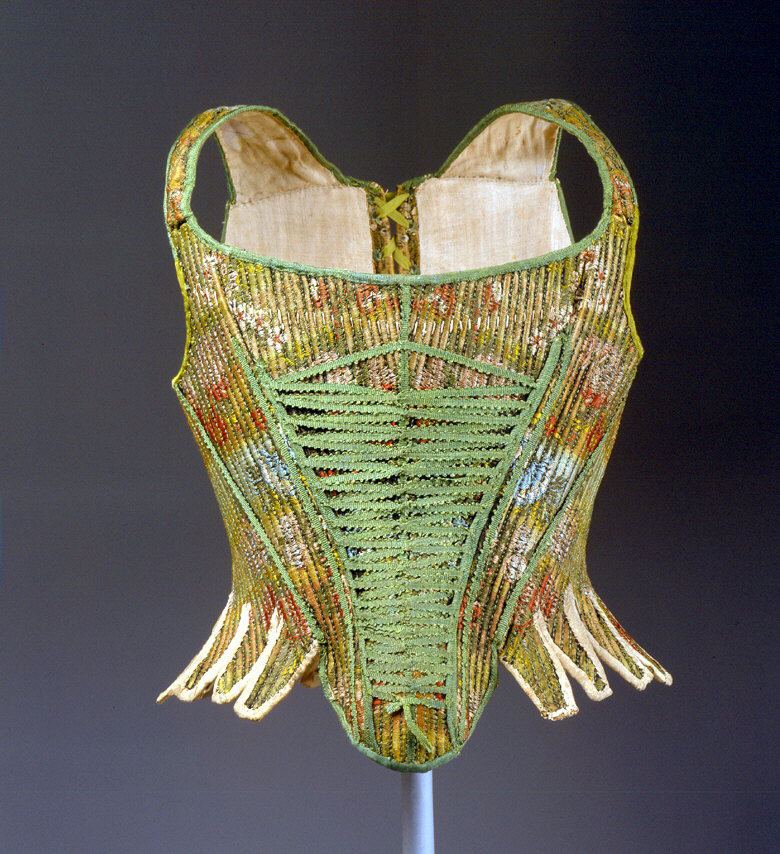
Stays, French, late 1760s. Silk, linen, leather, wood, baleen. C.I.50.8.2. The Metropolitan Museum of Art. CC0
Latest
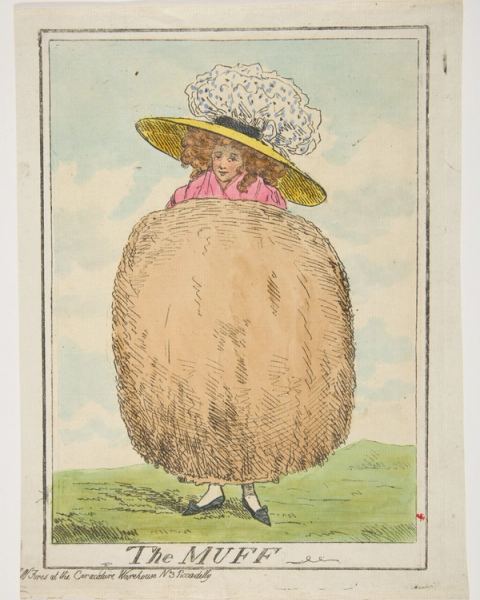 01Hands in a Muff: The Fur Tube Men Carried TooFinds17th century
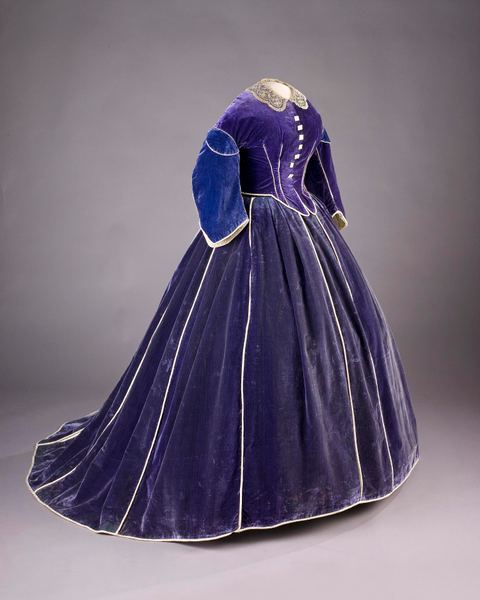 02Elizabeth Keckley, the Dressmaker Who Bought Her FreedomPeople19th century
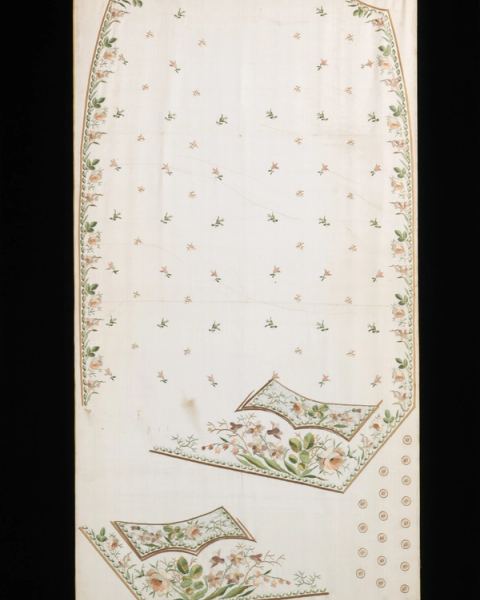 03Woven to Shape: What 'à la Disposition' MeansTechniques18th century
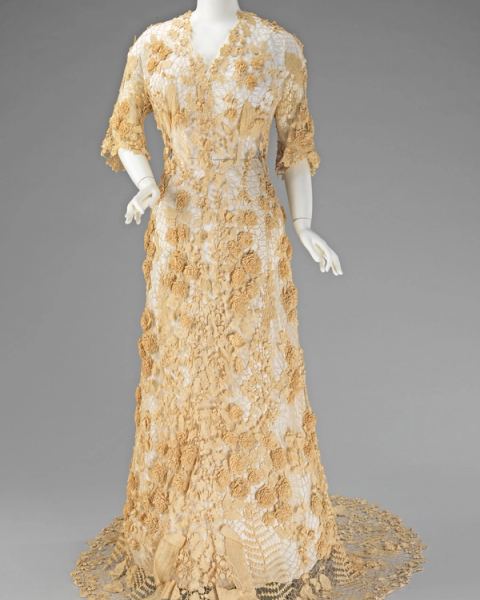 04Irish Crochet Lace: From Famine Relief to ParisTechniques19th century
 05Why Did Tailors Sit Cross-Legged on the Table?Finds16th century
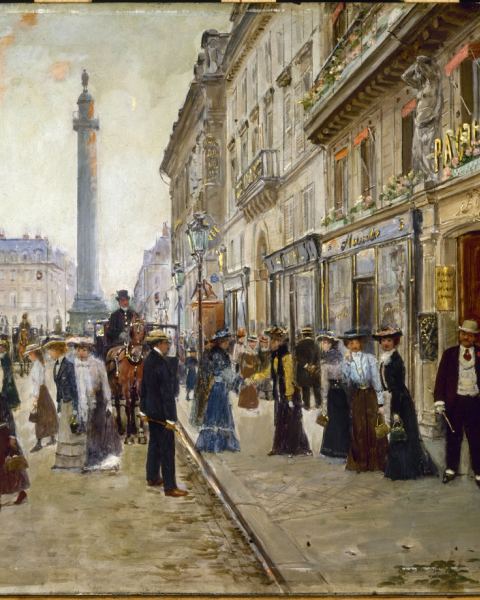 06Tailleur or Flou? The Two Workrooms of a Couture HouseTechniques17th century
 07Juan de Alcega, the Tailor Who Printed PatternsPeople16th century
 08Blackwork: How Tudor Embroiderers Drew in Black SilkTechniques14th century
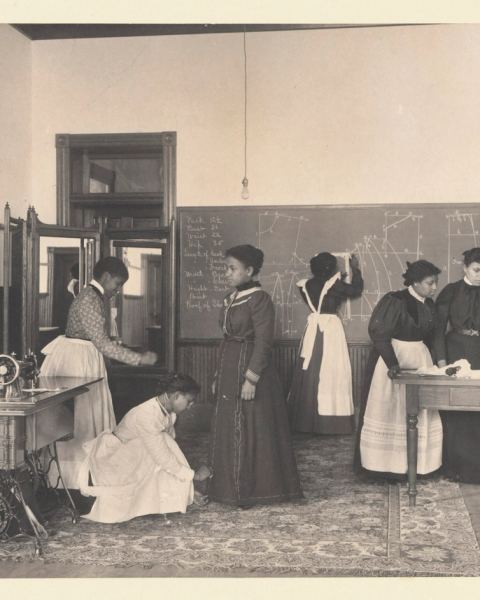 09Draping or Drafting? Two Ways Cloth Becomes a PatternTechniques19th century
 10Rudolph Ackermann, Who Pasted Real Cloth into a MagazinePeople19th century
 11How Much Fabric Do You Need for a Tiered Skirt?WorkbenchTool
 12Silk, Wool, Cotton or Linen? How to Identify a FiberTechniques2026
 13Philippe de Lasalle, Who Wove a Portrait in SilkPeople18th century
 14The Gigot Sleeve: How 1830s Sleeves Grew So WideFinds19th century
 15Why Do We Hang Stockings at Christmas?Finds17th century
 16How Do You Calculate a Circle Skirt?WorkbenchTool
 17Shen Shou, Who Embroidered Light and ShadowPeople19th century
 18How Much Warp Yarn Do You Need? Ends, Length, Loom WasteWorkbenchTool
 19Joining Granny Squares: Sewn, Crocheted or As You GoTechniques19th century
 20Clothes Moths: Spot the Damage, Stop It Like a MuseumTechniques2026
 21Candace Wheeler, Who Made Needlework a ProfessionPeople19th century
 22The Warp-Weighted Loom: Weaving Standing UpTechniquesAncient
 23Cartridge Pleating: Yards of Cloth in a WaistbandTechniques17th century
 24Which Needle Is a US 8? Needle and Hook Sizes ComparedWorkbenchTool
Person
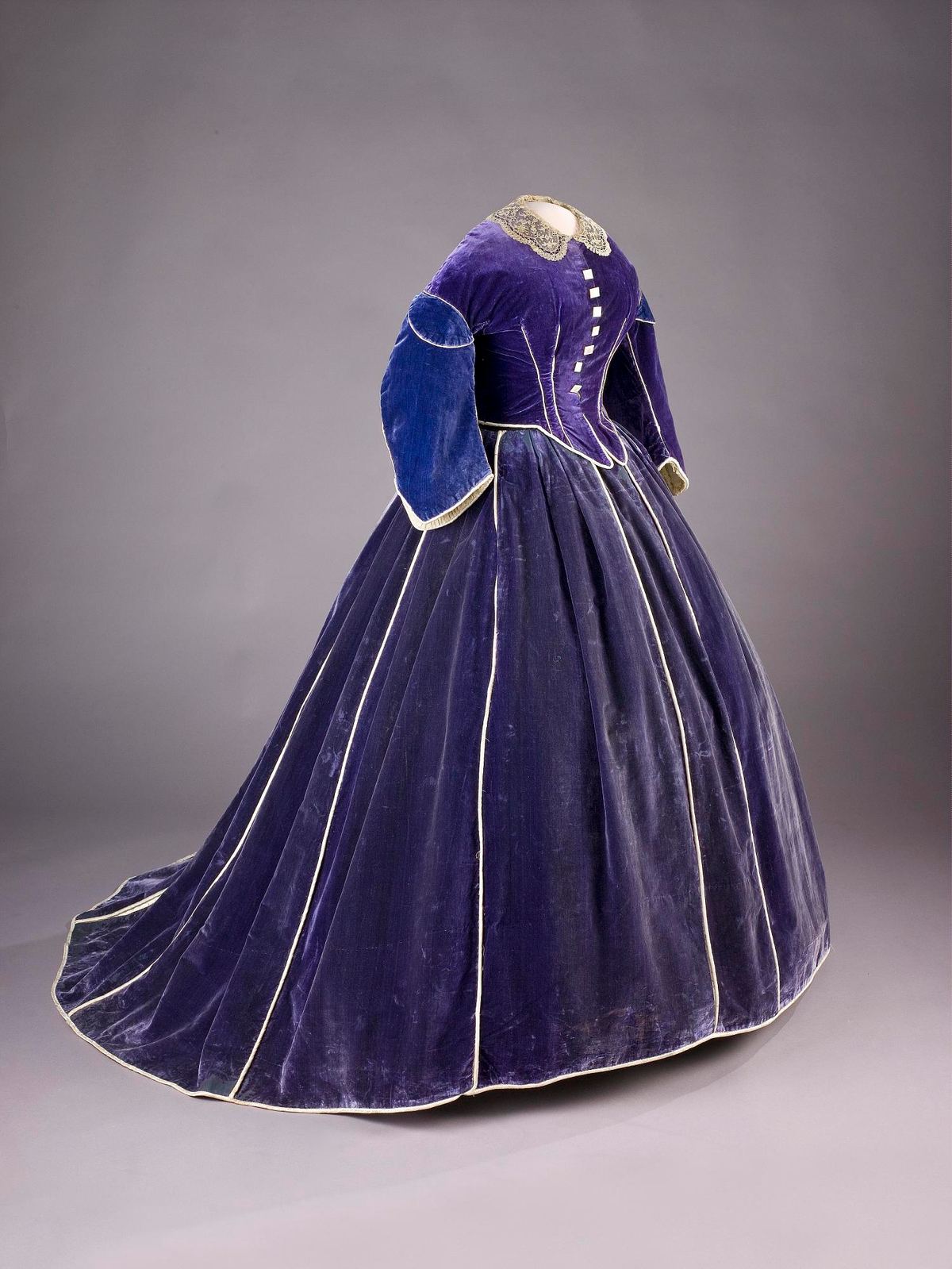
Elizabeth Keckley, the Dressmaker Who Bought Her Freedom
Who was Elizabeth Keckley, and what did she make? Born enslaved in Virginia, she sewed her way to freedom, ran a Washington workroom that dressed Mary Lincoln, and lost clients for writing about it.